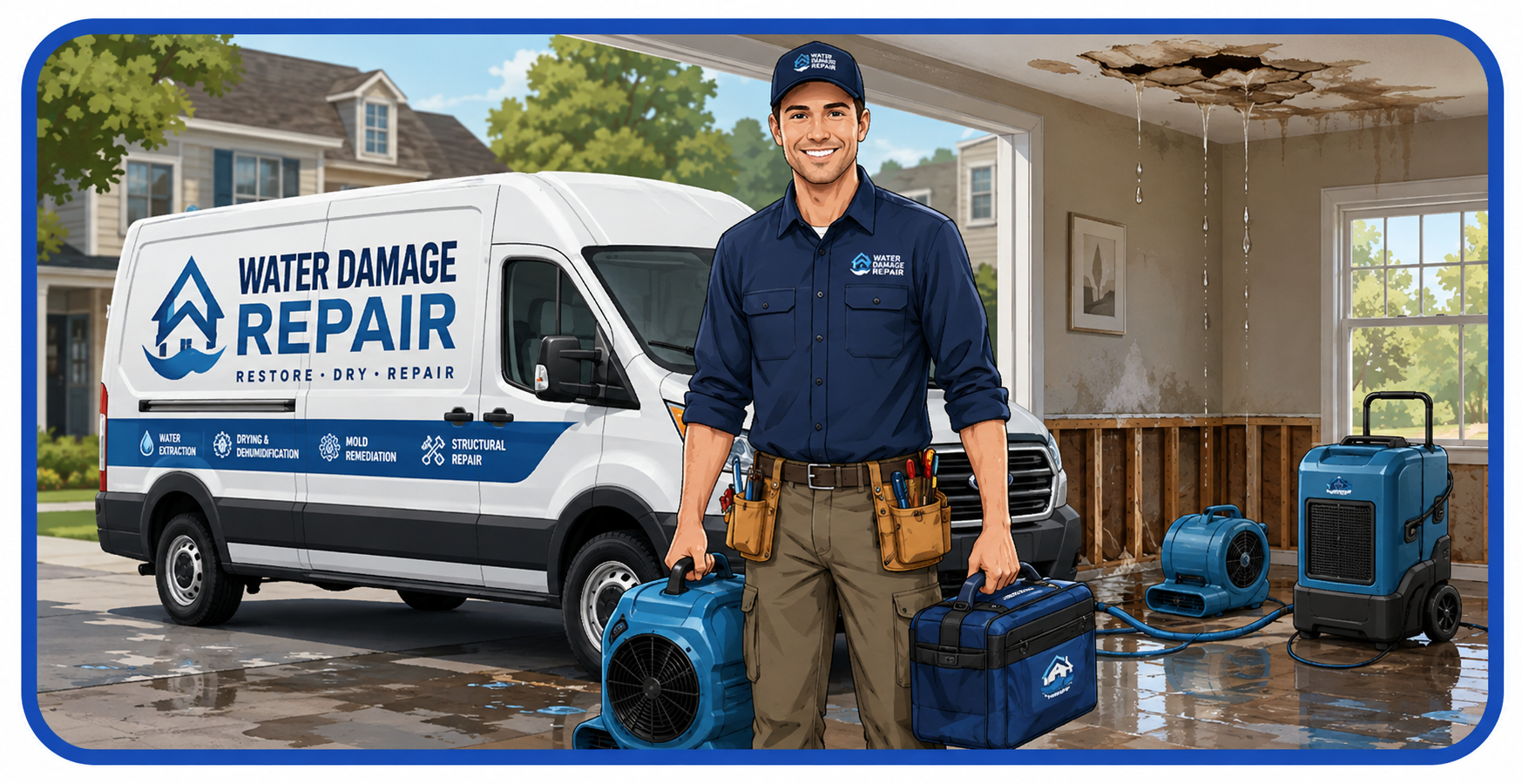
A basement flood behaves differently than an upstairs leak — it sits below grade, it often involves a sump system, and finished basements have their own material challenges.
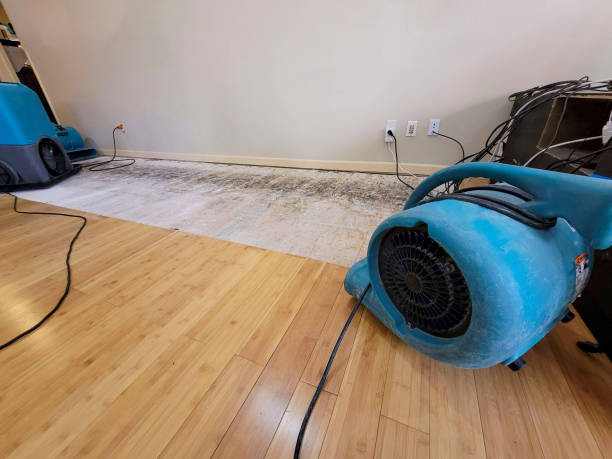
Below-grade dehumidification runs longer and stronger than a standard job because basements naturally hold more ambient moisture.

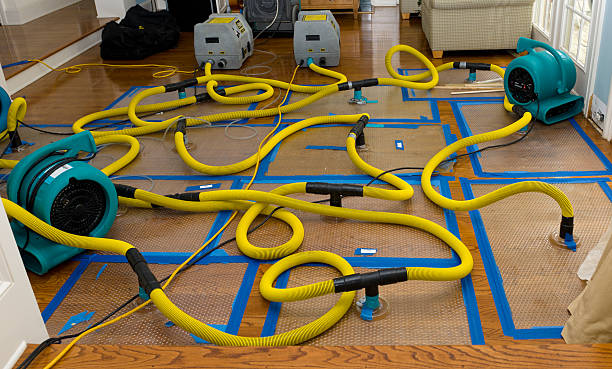
Basement extraction gear is chosen for the specific layout challenges of a below-grade Tripp, SD space.
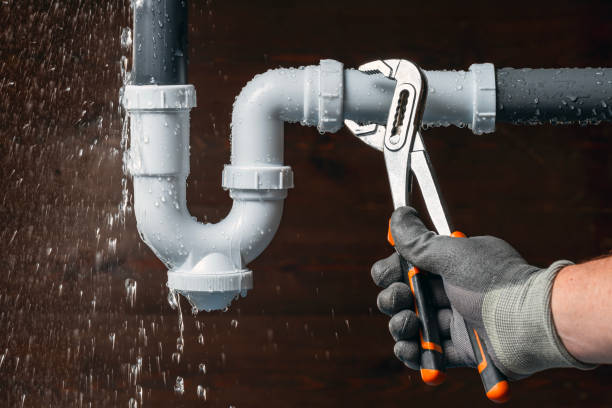
We won't just clean up water without identifying why it got in in the first place.
We handle finished-basement materials differently than a standard slab-and-drywall room.
Mold prevention gets heightened attention specifically because basements are naturally higher-risk spaces.
Below is the full scope our Tripp, SD crews run on a typical basement flood cleanup.

We check the sump pump and pit first when it's the likely failure point, and can coordinate a replacement if needed.
We trace water staining back to the foundation wall to confirm whether a crack is the source.
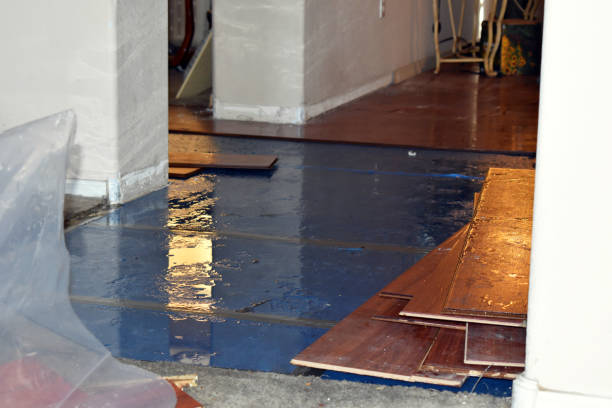
Drop ceiling tiles, baseboards, and laminate flooring are removed based on moisture readings specific to each material.
{We check window wells and French drain function as part of the source diagnosis|Clogged or failed window well drainage is a common Tripp, SD basement flood cause we test for|French drain performance gets evaluated alongside the sump system during our assessment}.
We size dehumidification equipment for the added moisture load typical of below-grade spaces.
Antimicrobial treatment is applied to framing and subfloor with extra attention given the higher mold risk below grade.
We'll ask a few basement-specific questions to prepare the crew.
Our nearest Tripp, SD crew arrives with basement-appropriate equipment loaded.
You'll get a written quote once the source and material scope are confirmed.
Extended drying continues until the basement hits the same dry-standard threshold as any other space.

"Our sump pump failed during a storm and they not only cleaned up the water but explained exactly why the pump failed." — Carla D.
"They saved most of our finished basement drywall by only cutting where the moisture readings showed a problem." — Reggie F.
"Found a foundation crack we didn't even know we had. Glad they checked instead of just drying and leaving." — Nadia S.
We diagnose which of these applies before starting cleanup.
We diagnose sump pump failures and can coordinate replacement, though cleanup is our core scope.
Full tear-out isn't automatic — we base removal decisions on actual moisture data.
Extended drying cycles are standard for basements, not a sign of a bigger problem.
Our technicians are trained to identify foundation intrusion patterns during the initial walkthrough.
If your basement is in or near Tripp, a crew can typically respond the same day.

One call gets a below-grade specialist routed to Tripp.
Call +1-844-578-1604